Visual defect detection
Identify suspicious visual conditions in real inspection images.
AI-powered visual inspection for SME manufacturers
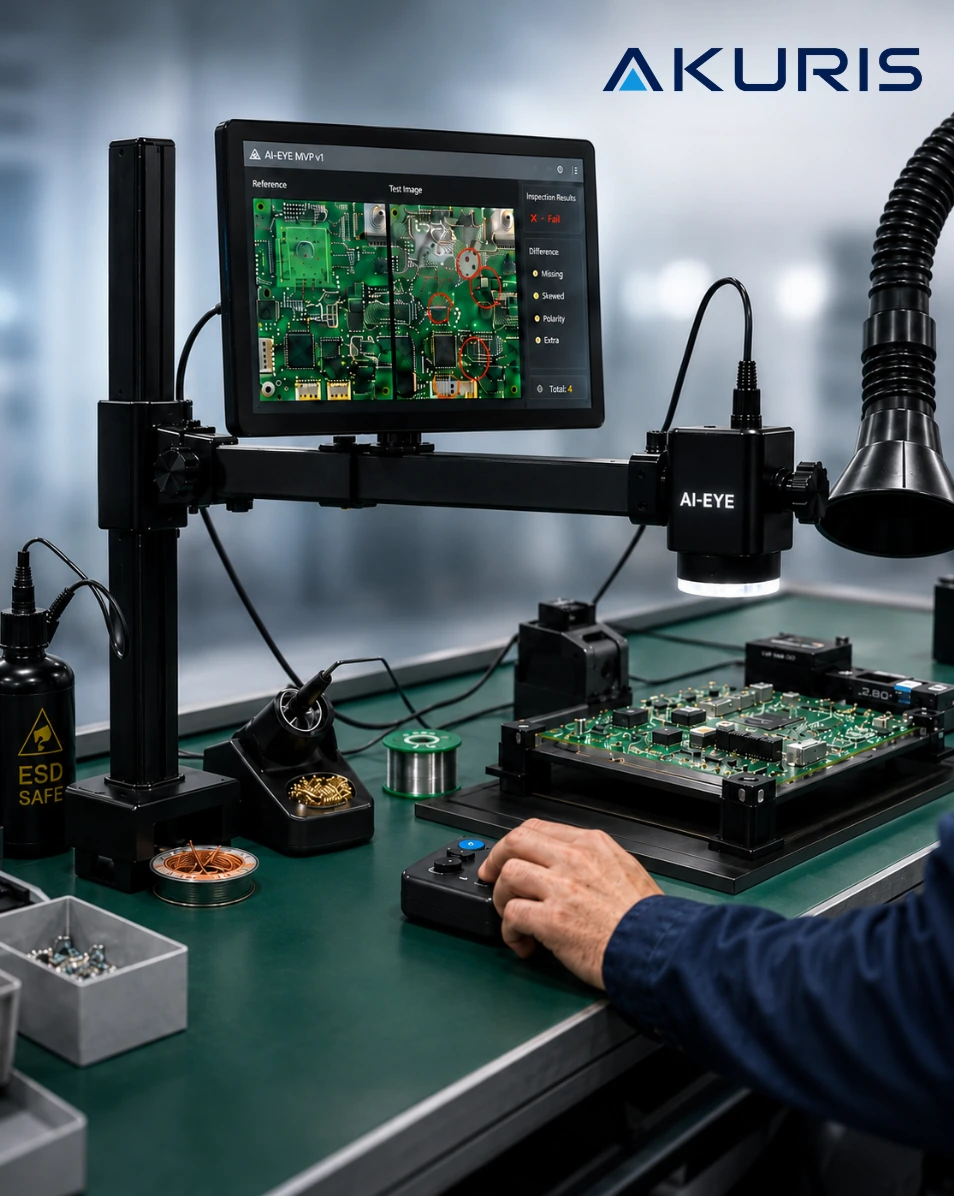
AI-EYE is a practical visual quality inspection system that helps teams detect surface defects, product irregularities, and inspection issues with AI-assisted consistency.
What AI-EYE does
AI-EYE is designed for focused, practical inspection tasks where consistency, evidence, and deployment simplicity matter.
Identify suspicious visual conditions in real inspection images.
Support quality teams with repeatable AI-assisted checks.
Capture image records that help teams review recurring issues.
Validate technical fit and value before wider deployment.
How AI-EYE works
AI-EYE is built around a practical workflow: define a reference, capture an inspection image, compare quality conditions, and record the result.
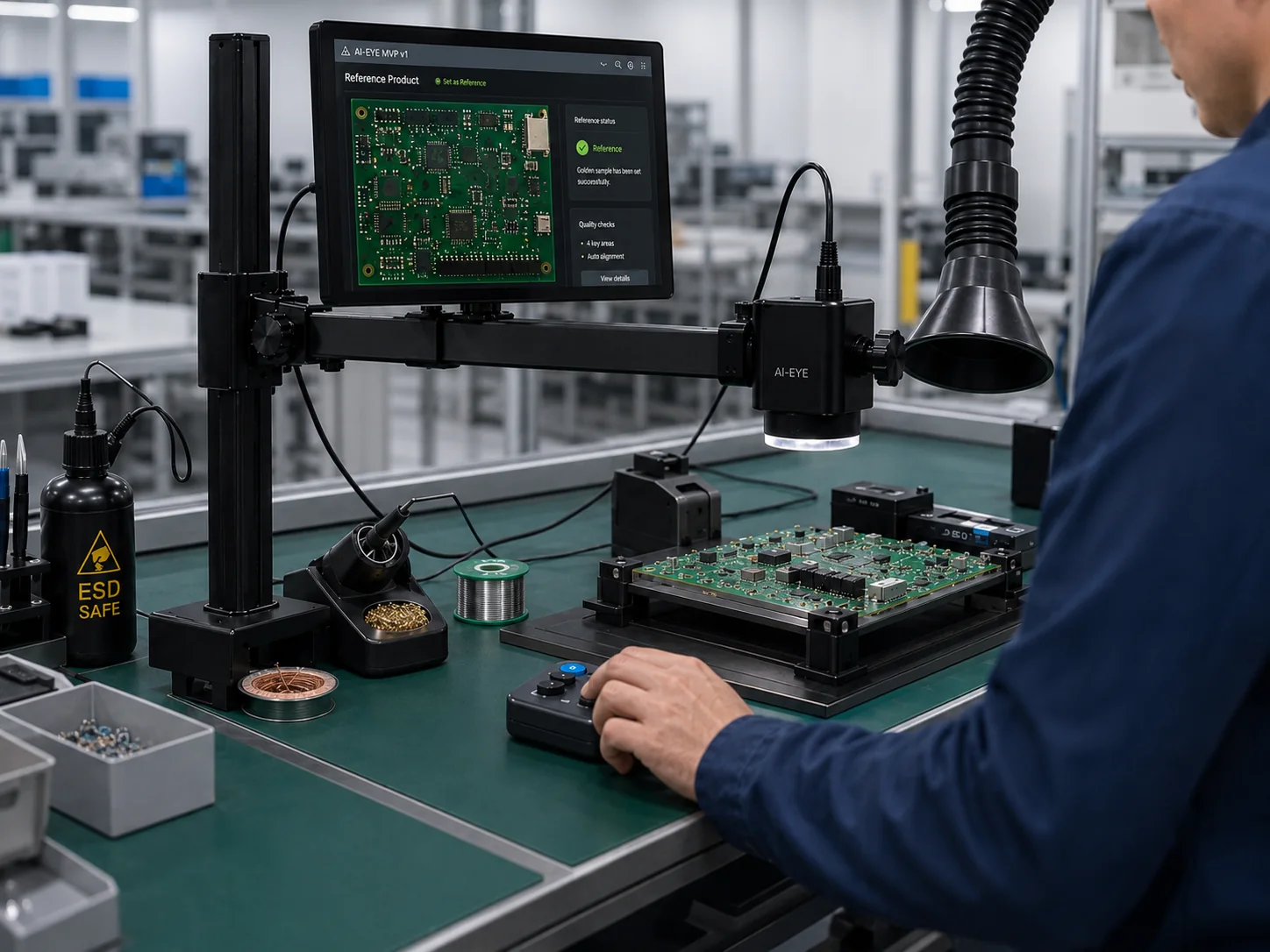
Define the acceptable product or surface for the inspection task.
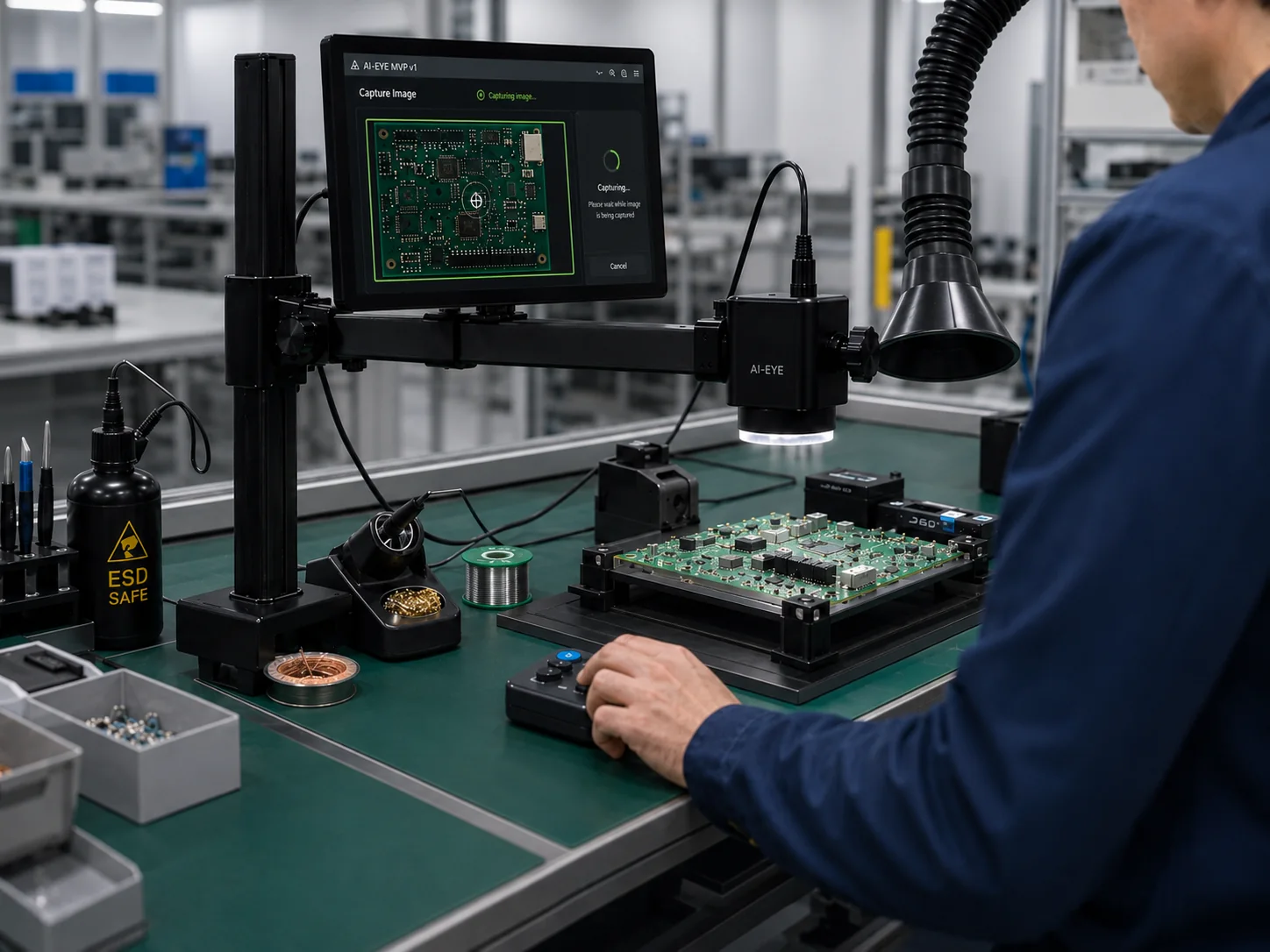
Use the camera and lighting setup to capture a consistent inspection image.
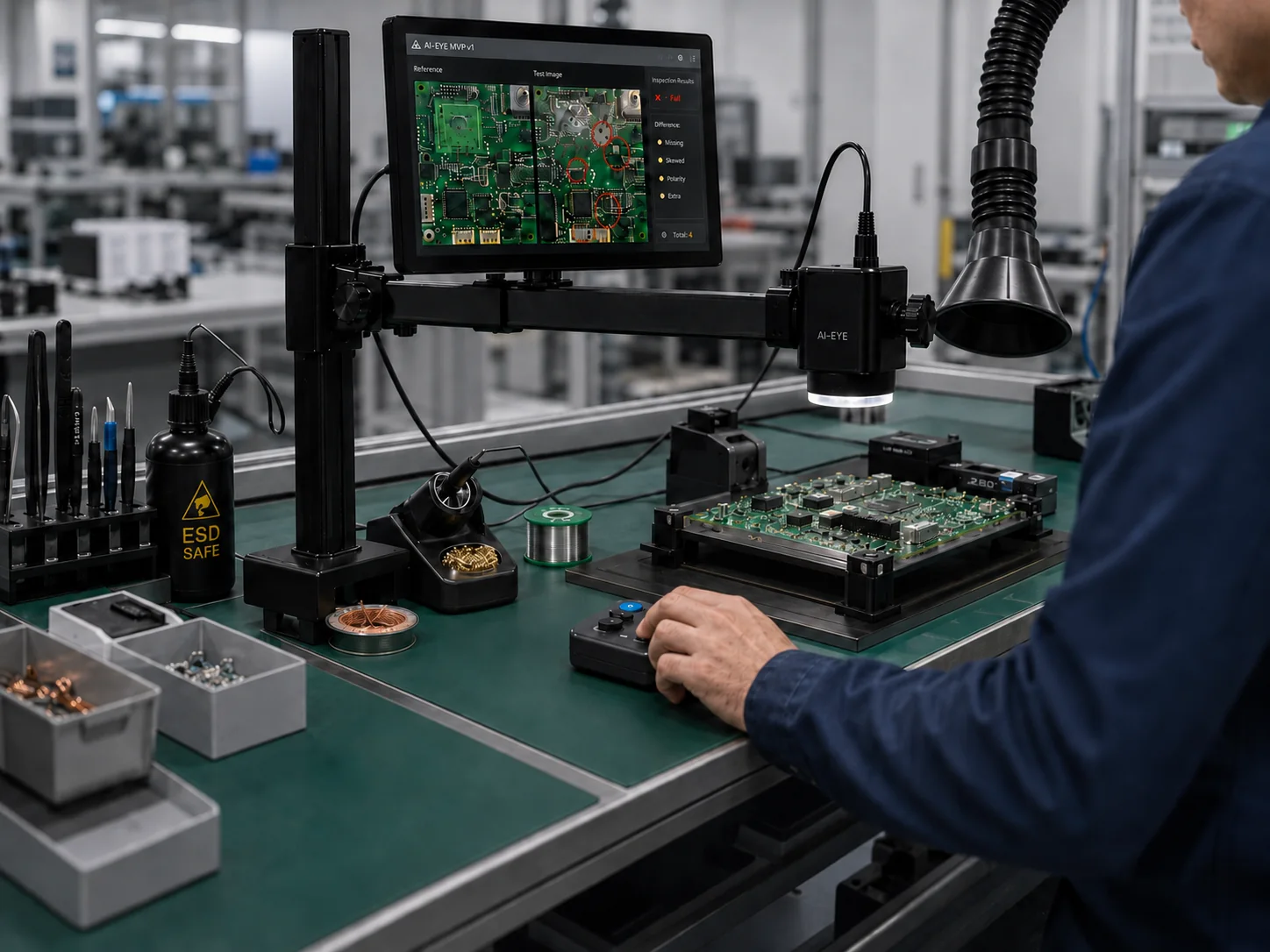
AI-EYE highlights suspected visual differences for review or decision support.
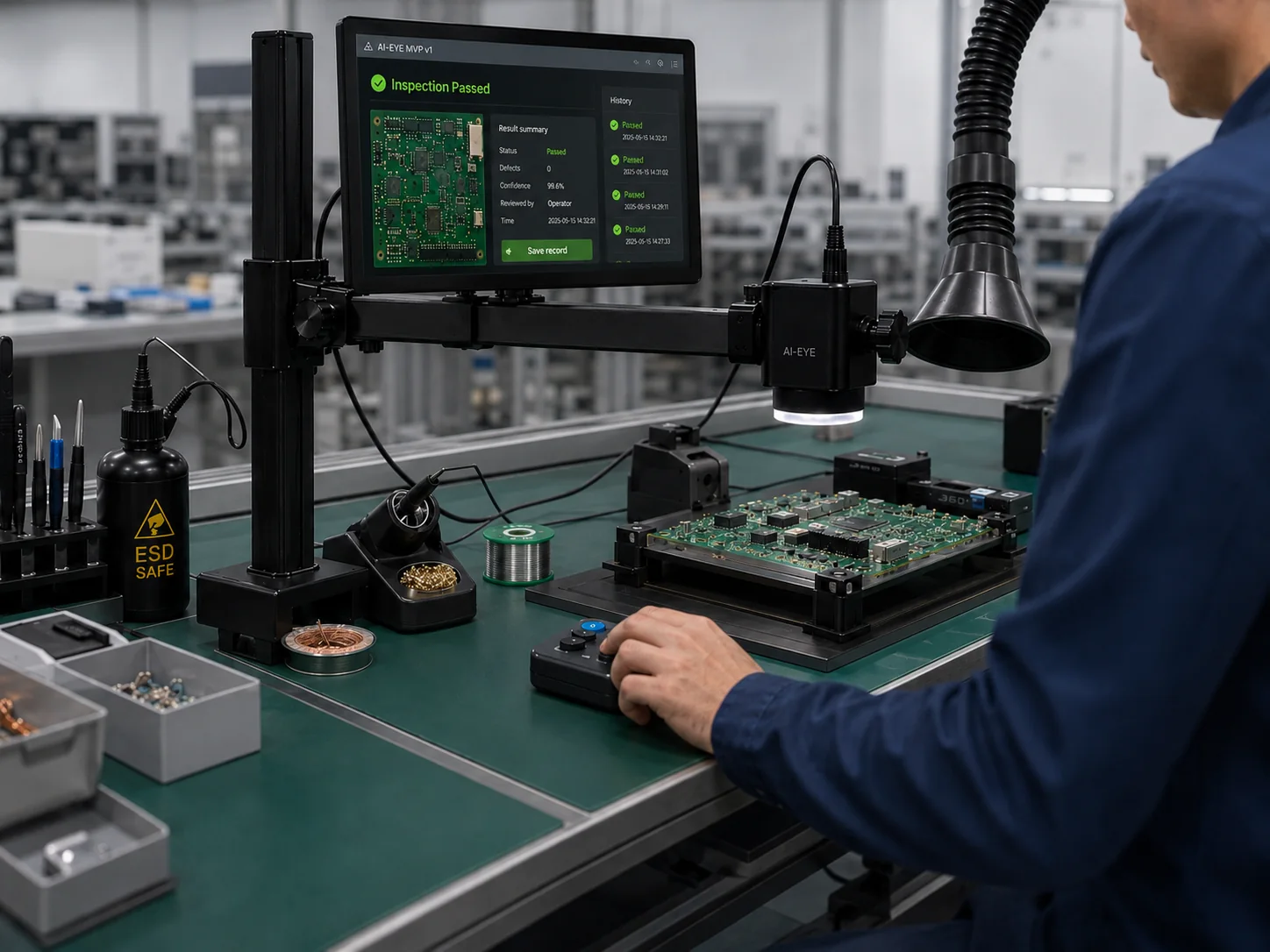
Inspection evidence and pass/review outcomes can support quality traceability.
Inspection scope
Every useful AI inspection starts with the actual part, surface, lighting, defect examples, and workflow constraints. AKURIS scopes AI-EYE around the inspection problem first.
System components
AI-EYE combines the physical inspection setup with AI vision software and practical implementation support.
Camera, lighting, mounting, and capture setup depending on the product and inspection task.
Defect models, inspection logic, result interface, and data capture for visual quality control.
Pilot scoping, sample collection, testing, iteration, and deployment guidance.
SME fit
AI-EYE is positioned as a practical path into AI quality control, not an oversized enterprise automation program.
Pilot process
The pilot is built to answer the practical question: can AI-EYE reliably support this inspection task?
Clarify what the team needs to detect and why it matters.
Look at real examples, acceptable parts, and borderline cases.
Align camera, lighting, positioning, and workflow constraints.
Evaluate detection behavior against actual inspection examples.
Discuss performance, value, and possible production deployment.
Visual inspection challenge?
Share your product, defect examples, and inspection process so AKURIS can assess a focused pilot.